
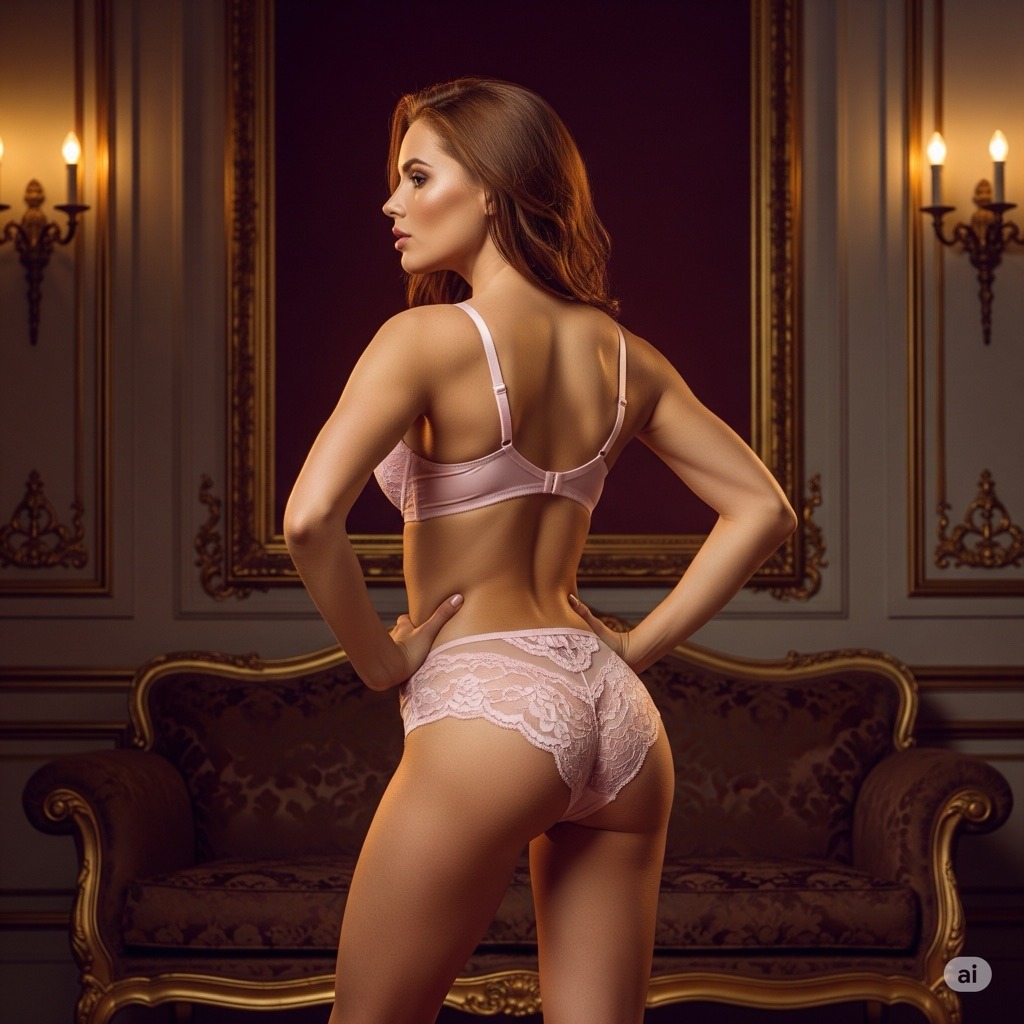
Model Lighting tips
Lighting is the great equalizer in content creation—it can make a budget smartphone look like a high-end cinema camera. For OnlyFans creators, the goal is usually to look approachable yet high-quality.
Here are the best lighting tips to level up your content:
1. The Power of “Golden Hour” (Natural Light)
If you are on a budget, natural light is your best friend.
-
The Window Trick: Stand facing a window during the day. The glass diffuses the light, softening skin textures and removing dark circles under the eyes.
-
Avoid High Noon: Midday sun is too harsh and creates “raccoon eyes” (deep shadows under the brow). Aim for mid-morning or late afternoon.
2. The Ring Light (The Creator Essential)
Ring lights are popular for a reason: they provide 360-degree even lighting that “fills in” shadows on the face.
-
Placement: Place your phone/camera directly in the center of the ring.
-
Eye Contact: Ring lights create a “halo” reflection in your pupils (catchlights), which makes you look more polished and professional.
3. Use “Rim Lighting” for Depth
One common mistake is blending into the background. To avoid looking “flat”:
-
The Setup: Place a secondary light behind you, slightly to the side.
-
The Effect: This creates a “glow” around your hair and shoulders, separating you from the wall and giving the image a 3D, high-production feel.
4. Set the Mood with RGB
OnlyFans is about “vibes.” You can use colored LED strips or “sunset lamps” to establish your brand.
-
Warm Tones: Use oranges and soft yellows for a cozy, “bedroom” feel.
-
Cool Tones: Use blues, purples, or pinks for a more “gamer” or “nightlife” aesthetic.
5. Mind the Shadows
While soft light is generally better for “pretty” shots, side-lighting can be used strategically to highlight muscle definition or body curves.
-
If you want to show off abdominal definition or glute curves, move your light source to the side ($45^\circ$ to $90^\circ$ from the camera) to create highlights and shadows that define shape.
Pro-Tip: The “Three-Point” Setup
If you want to go full professional, aim for this classic configuration:
Key Light: Your strongest light, placed to one side of the camera.
Fill Light: A softer light on the other side of the camera to soften shadows.
Back Light: Behind you to create that “pop” from the background.